

PPF vs Ceramic Coating: Which Protects Your Car’s Paint Better?
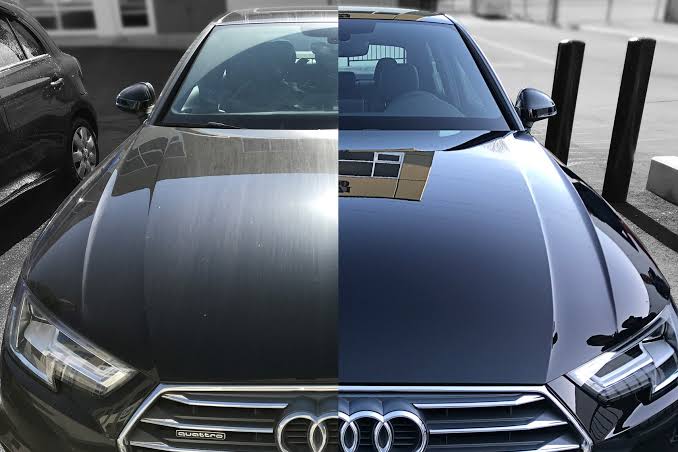
Keeping your vehicle’s paint in excellent condition is important for maintaining its appearance and resale value. However, everyday driving exposes car paint to stone chips, scratches, bird droppings, UV radiation, road debris and environmental contaminants. This is why ceramic coating and car paint protection in Kenya are becoming increasingly important considerations for vehicle owners.
Two popular solutions are Paint Protection Film (PPF) . Both help protect a vehicle’s exterior, but they work differently and offer different levels of protection.
If you are researching car paint protection in Kenya, understanding the difference between these two solutions will help you choose the right option for your vehicle.
PPF is a physical protective film that absorbs the impact of minor road debris and helps prevent stone chips and scratches. Ceramic coating is a liquid protective layer that bonds to the vehicle’s paint, adding gloss, water repellency and easier cleaning.
So, which one should you choose?
This guide compares PPF, explains their benefits, examines their costs and helps you understand how to protect your car’s paint in Kenyan driving conditions.
What Is Paint Protection Film (PPF)?
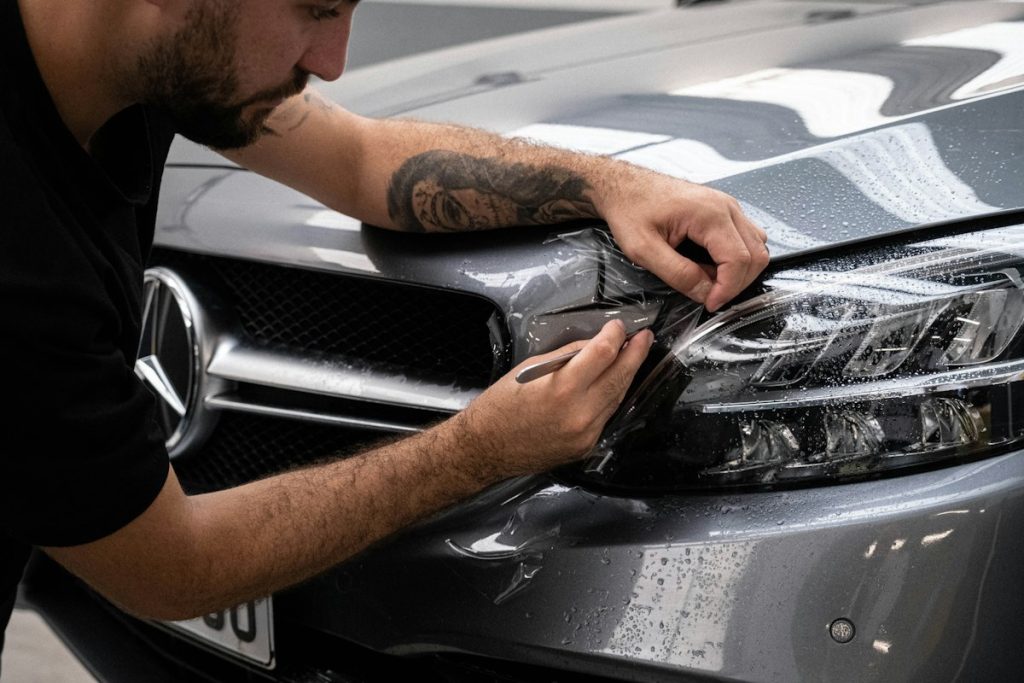
Paint Protection Film, commonly called PPF, is a transparent protective film applied to a vehicle’s painted exterior surfaces.
It is usually manufactured from thermoplastic polyurethane (TPU), a flexible and durable material designed to absorb minor impacts and protect the underlying paint.
For motorists interested in car paint protection in Kenya, PPF is particularly useful when physical paint protection is the main priority.
How Does PPF Work?
PPF creates a physical barrier between the vehicle’s original paint and external elements.
When stones, gravel or small road debris strike the protected surface, the film absorbs some of the impact, reducing the likelihood of damage to the paint underneath.
Depending on the product, some premium PPF films also have self-healing properties. Minor surface marks may disappear when exposed to heat from sunlight or warm water, according to the manufacturer’s specifications.
Benefits of PPF
1. Protection against stone chips
Stone chips are common when driving on highways, rough roads and construction areas. PPF helps protect vulnerable painted panels from minor stone impacts.
2. Scratch resistance
PPF helps prevent certain light scratches and abrasions from reaching the original paintwork.
3. Protection against environmental contaminants
The film provides a protective barrier against substances such as bird droppings, insect residue and road contaminants. Contaminants should still be cleaned promptly.
4. Preserves original paint
By reducing direct exposure to minor physical damage, PPF can help maintain the vehicle’s original paint condition.
5. Self-healing technology
Some advanced films can reduce the appearance of minor surface scratches through heat-activated self-healing technology.
Where Should PPF Be Installed?
You do not necessarily need to cover the entire vehicle with PPF.
Many vehicle owners prioritise areas that receive the most road impact, including:
- Front bumper.
- Bonnet.
- Front wings.
- Side mirrors.
- Door edges.
- Door handle recesses.
- Headlight surrounds, where suitable film is available.
Full-body PPF is another option for motorists who want more extensive protection.
What Is Ceramic Coating?
Ceramic coating is a liquid protective product applied to a vehicle’s exterior paintwork.
Most professional ceramic coatings use silicon dioxide (SiO2) or related ceramic-based chemistry. After application and curing, the coating forms a thin protective layer over the paint.
For anyone considering ceramic coating and car paint protection in Kenya, this option is attractive because it enhances the vehicle’s appearance while making routine maintenance easier.
How Does Ceramic Coating Work?
Ceramic coating bonds to the prepared paint surface, creating a protective layer with hydrophobic properties.
Hydrophobicity means the surface repels water. Instead of spreading across the paint, water tends to form droplets and roll away more easily.
This makes it easier to remove dirt and certain contaminants during washing.
However, ceramic coating is not a thick physical barrier. It does not provide the same impact protection as PPF.
Benefits of Ceramic Coating
1. Enhanced gloss
Ceramic coating can improve the appearance of a vehicle’s paint by enhancing its gloss and depth.
2. Water repellency
Its hydrophobic properties help water bead and move off the surface more easily.
3. Easier cleaning
Dirt and some contaminants are less likely to adhere strongly to a properly coated surface, making washing easier.
4. UV and environmental protection
Depending on the formulation, ceramic coating can provide some resistance against environmental exposure and help reduce paint deterioration.
5. Chemical resistance
A quality coating can improve resistance to certain chemical contaminants, although it is not immune to every chemical or stain.
6. Long-term paint maintenance
Professional ceramic coatings can last longer than traditional waxes when correctly applied and maintained. Actual durability depends on the product and maintenance routine.
PPF vs Ceramic Coating: What Is the Difference?
The main difference between PPF and ceramic coating is the type of protection each provides.
PPF is designed primarily for physical protection, while ceramic coating focuses on surface protection, gloss and ease of cleaning.
For ceramic coating and car paint protection in Kenya, the right option depends on how you use your vehicle, where you drive and your maintenance expectations.
| Feature | PPF | Ceramic coating |
|---|---|---|
| Main purpose | Physical paint protection | Surface protection and gloss |
| Stone-chip protection | Yes, within film capabilities | No meaningful impact protection |
| Scratch protection | Helps prevent many minor scratches | Limited resistance to light surface marks |
| Water repellency | Depends on film properties or topcoat | Strong hydrophobic properties |
| Gloss | Available in gloss and matte finishes | Enhances gloss |
| Self-healing | Available on selected films | Not the same as PPF self-healing |
| Application | Applied as a physical film | Applied as a liquid coating |
| Cost | Generally higher | Usually lower than full-body PPF |
| Maintenance | Requires suitable film care | Requires suitable coating maintenance |
Which Protects Against Stone Chips Better?
PPF is the better choice for stone-chip protection.
Its physical thickness allows it to absorb and distribute some impact energy before it reaches the original paint.
Ceramic coating is too thin to provide comparable protection against flying stones and gravel.
If you regularly travel on highways, unpaved roads or routes with loose construction material, PPF may be a worthwhile investment.
Which Gives Better Gloss?
Ceramic coating is often preferred when the main objective is improving the vehicle’s appearance.
It can enhance paint gloss and create a smooth, water-repellent surface.
Gloss PPF can also maintain or enhance a vehicle’s appearance, but ceramic coating is specifically popular for its detailing and shine benefits.
Which Makes Cleaning Easier?
Both products can make vehicle maintenance easier.
Ceramic coating is particularly popular because its hydrophobic properties help water and dirt move off the surface.
Some PPF products also have hydrophobic topcoats that make cleaning easier.
Neither option eliminates the need for regular washing.
Can You Use PPF and Ceramic Coating Together?
Yes. In fact, combining PPF and ceramic coating can provide comprehensive protection for a vehicle.
This approach is popular among owners who want both physical protection and improved surface performance.
The two products serve different purposes, so they can complement one another.
How Does the Combination Work?
The recommended approach is to install PPF on selected painted panels first.
After the film has been correctly installed and allowed to settle according to the manufacturer’s instructions, a compatible ceramic coating can be applied over the PPF.
The remaining painted surfaces can also receive ceramic coating.
For example:
- PPF can protect the front bumper against stone chips.
- PPF can protect the bonnet and front wings.
- Ceramic coating can be applied to the remaining painted panels.
- Compatible coating can be applied over the PPF to improve water repellency and maintenance.
Before combining products, confirm that the ceramic coating is compatible with the particular PPF film.
Ceramic Coating and Car Paint Protection Kenya: What Affects the Price?
The cost of ceramic coating and car paint protection in Kenya varies depending on the vehicle, product quality, coverage area and installation process.
There is no universal price for every vehicle because different protection packages involve different materials and labour requirements.
Here are the main factors that influence the quotation.
1. Type of Protection
PPF and ceramic coating have different material and installation costs.
PPF generally requires more material, precise cutting and specialist fitting. Full-body PPF therefore typically costs more than a basic ceramic coating package.
Ceramic coating costs depend on the product, preparation and number of layers included in the package.
2. Vehicle Size
A small hatchback requires less material and labour than a large SUV.
Vehicles with complex body shapes, deep curves and multiple painted panels may also require additional installation time.
3. Coverage Area
The amount of vehicle surface being protected affects the final price.
For PPF, options may include:
- Partial front-end protection.
- Full front-end protection.
- Selected high-impact panels.
- Full-body protection.
For ceramic coating, the package may cover the painted exterior, wheels, glass or other approved surfaces.
4. Paint Condition
Before ceramic coating or PPF installation, the paint may require cleaning, decontamination and paint correction.
Vehicles with swirl marks, oxidation, water spots or scratches may need additional preparation.
Paint correction is particularly important before ceramic coating because the coating can preserve the appearance of the prepared surface rather than hide existing defects.
5. Product Quality and Durability
Different manufacturers offer products with different specifications and durability claims.
Premium products may cost more because of their material technology, performance and warranty arrangements.
Ask for the product name, manufacturer’s recommended maintenance and written warranty details before making a decision.
How Much Does PPF Cost in Kenya?
PPF prices depend on the film brand, vehicle size and amount of coverage.
A partial front-end installation will generally cost less than full-body PPF.
For an accurate quotation, provide your vehicle’s make, model and year and specify whether you want selected panels or complete coverage.
How Much Does Ceramic Coating Cost in Kenya?
Ceramic coating prices depend on the coating brand, preparation work, vehicle size and package inclusions.
A basic package may involve a single coating application, while premium packages may include paint correction and additional preparation.
Ask whether the quotation includes washing, decontamination, polishing, coating application and aftercare instructions.
How Long Does PPF Last?
The lifespan of PPF depends on its material quality, installation and maintenance.
Many premium products carry manufacturer durability or warranty claims ranging from several years, with some offering warranties of approximately five to ten years.
However, warranty periods are not guaranteed lifespans for every installation.
Exposure to sunlight, harsh chemicals, poor washing techniques and physical damage can affect performance.
To extend the life of PPF:
- Wash the vehicle using suitable automotive cleaning products.
- Avoid abrasive brushes.
- Remove bird droppings and insect residue promptly.
- Follow the manufacturer’s maintenance instructions.
- Have peeling edges or damaged areas inspected professionally.
How Long Does Ceramic Coating Last?
Ceramic coating durability depends on the product formulation, surface preparation, installation quality and maintenance.
Some consumer coatings may last months, while professional-grade coatings can offer protection for several years under the manufacturer’s specified conditions.
To maintain ceramic coating:
- Wash the vehicle regularly.
- Use pH-balanced automotive shampoo.
- Avoid harsh household detergents.
- Dry the vehicle with suitable microfiber towels.
- Follow the installer’s recommended maintenance schedule.
- Arrange periodic inspections where recommended.
A ceramic coating should not be assumed to last forever simply because it is advertised as a long-term product.
Is Ceramic Coating Worth It for Kenyan Car Owners?
Ceramic coating can be worthwhile if you want improved gloss, easier washing and better surface protection.
Kenyan motorists encounter dust, strong sunlight, rain, road contaminants and challenging parking conditions.
These conditions make routine vehicle care important.
Ceramic coating can help reduce the effort required to maintain a clean exterior, particularly for motorists who wash their vehicles regularly.
However, if your main concern is stone chips from highway driving, ceramic coating alone may not provide sufficient protection.
In that situation, consider PPF for vulnerable panels.
Is PPF Worth the Investment?
PPF can be a worthwhile investment for owners who want to preserve their vehicle’s original paint.
It is particularly useful for:
- New vehicles.
- Luxury vehicles.
- Vehicles frequently driven on highways.
- Cars exposed to gravel and loose road debris.
- Vehicles whose owners want to minimise visible stone chips.
- Owners planning to preserve the original paint for resale.
Although PPF generally requires a larger initial investment, replacing damaged film on selected panels may be preferable to repeatedly repairing chipped original paint.
Common Mistakes to Avoid When Choosing Paint Protection
Choosing the wrong product or installer can reduce the value of your investment.
Avoid these mistakes:
1. Choosing based on price alone
Very cheap products may not deliver the performance you expect. Compare specifications, installation quality and warranty coverage.
2. Expecting ceramic coating to stop stone chips
Ceramic coating is not a substitute for physical protection film.
3. Ignoring paint preparation
Applying a coating over poorly prepared paint can affect the final appearance and performance.
4. Choosing poor-quality PPF
The quality of the film affects clarity, flexibility, durability and resistance to yellowing.
5. Ignoring maintenance
Both PPF and ceramic coating need proper care.
6. Assuming every warranty covers everything
Read the warranty conditions carefully. Check exclusions for staining, physical damage, installation defects and maintenance requirements.
Where Can You Get Professional Car Paint Protection in Kenya?
Choosing an experienced detailing provider is essential when investing in PPF or ceramic coating.
At MPPS Accessories, motorists can enquire about car detailing and paint protection solutions suited to their vehicles.
Before selecting a package, discuss:
- Your vehicle’s make and model.
- Whether you need PPF or ceramic coating.
- Your preferred coverage area.
- The condition of your existing paint.
- Your budget and maintenance expectations.
- Product specifications and warranty coverage.
You can explore MPPS car detailing services to learn more about vehicle care options.
For additional maintenance and exterior care solutions, visit the MPPS car care section.
If you are specifically interested in physical paint protection, explore the Paint Protection Film service and enquire about available installation packages.
Protect your vehicle’s appearance with the right solution. Contact MPPS Accessories for advice and a quotation based on your vehicle and preferred paint protection package.
Frequently Asked Questions About Ceramic Coating and Car Paint Protection in Kenya
What is the difference between PPF and ceramic coating?
PPF is a physical film designed to protect paint against stone chips, minor scratches and other physical damage. Ceramic coating is a liquid protective layer that enhances gloss, improves water repellency and makes cleaning easier.
How long does PPF last?
Depending on the brand, product quality, installation and maintenance, premium PPF may offer several years of protection. Some manufacturers provide warranties of approximately five to ten years.
Is ceramic coating worth it in Kenya?
Yes. Ceramic coating can improve gloss, reduce dirt adhesion and make vehicle washing easier. It is particularly useful for owners who want easier exterior maintenance and improved surface protection.
Can ceramic coating prevent scratches?
Ceramic coating may offer limited resistance to minor surface marks, but it cannot prevent all scratches. PPF is a better option when physical scratch and stone-chip protection is the main priority.
Can PPF be removed?
Yes. PPF can be professionally removed and replaced. Proper removal techniques help minimise the risk of damaging the underlying paint.
Can you apply ceramic coating over PPF?
Yes. Many ceramic coatings are compatible with PPF. However, confirm compatibility with the film manufacturer and installer before application.
Which is cheaper, PPF or ceramic coating?
Ceramic coating is generally less expensive than full-body PPF. However, the final cost depends on the vehicle size, preparation requirements, product quality and coverage area.
Does ceramic coating protect against bird droppings?
Ceramic coating can make contaminants easier to clean and may provide some resistance to staining. However, bird droppings can still damage paint or coatings if left for too long, so remove them promptly.
Does PPF change the appearance of car paint?
Clear gloss PPF is designed to preserve or enhance the original appearance of the paint. Matte PPF can change the finish to a satin or matte appearance.
Can I apply PPF and ceramic coating to a new car?
Yes. New cars are often good candidates for paint protection. The installer should inspect and prepare the paint before applying PPF or ceramic coating.