







Lost Your Only Car Key? Can It Be Replaced Without the Original?
Yes, in many cases, you can replace a lost car key programming even when you no longer have the original. However, the replacement process depends on your vehicle’s security system, key type, make, model and year.
Car key programming is the process of configuring a replacement electronic key so that your vehicle recognises and accepts it. This is particularly important for modern vehicles fitted with transponder keys, remote keys and smart key systems.
If you have lost your only car key programming, simply cutting another key to match the door lock may not be enough. The replacement may also need electronic programming to communicate with the vehicle’s immobiliser or keyless entry system.
For motorists in Nairobi, understanding how car key programming works can help you know what information to provide, what documents to prepare and what to expect before arranging a replacement.
This guide explains the difference between key cutting and programming, how replacement works when all keys are lost, and what to consider when choosing a car key replacement service.
What Is Car Key Programming?
Car key programming is the process of electronically registering or configuring a vehicle key so that the car’s security system recognises it.
Many modern vehicle keys contain electronic components that communicate with the vehicle. When you insert the key or use a push-button start system, the vehicle checks whether the key is authorised.
If the vehicle recognises the key, it allows the appropriate starting or access functions. If the key is not recognised, the immobiliser may prevent the engine from starting.
Car key programming is therefore different from ordinary key cutting.
For example, a replacement key may have the correct physical shape and turn in the ignition, but the engine may still refuse to start because its electronic transponder has not been registered.
The programming process varies depending on the vehicle manufacturer and security system.
How Does Car Key Programming Work?
Although the exact procedure differs between vehicles, car key programming generally involves several steps.
- Vehicle identification: The technician identifies the vehicle’s make, model, year and security system.
- Key identification: The replacement key is checked to ensure it has the correct transponder or smart-key specifications.
- Vehicle access: The technician uses an appropriate authorised procedure to access the vehicle’s key registration system.
- Key registration: The replacement key is electronically configured or registered with the vehicle.
- Testing: The technician checks whether the key performs the required functions, including starting the engine and operating remote locking where applicable.
Some vehicles require additional security verification or specialist equipment. Others have more straightforward replacement procedures.
Not every key can be programmed using the same equipment, so vehicle compatibility must be confirmed before the work begins.
What Happens When You Lose Your Only Car Key?
Losing your only car key can be stressful, especially when the vehicle is parked away from home or you need it for work.
The good news is that losing every available key does not automatically mean that you need to replace the entire vehicle locking system.
Depending on the vehicle, a replacement may be created and programmed using approved vehicle-specific procedures.
Here is what generally happens.
Step 1: Identify Your Vehicle
The first step is establishing exactly which vehicle needs a replacement key.
Provide the technician with:
- Vehicle manufacturer.
- Model and year of manufacture.
- Vehicle registration details.
- Available information about the original key.
- Whether the vehicle uses a conventional ignition, transponder key or push-button start.
This information helps establish which replacement key and programming method may be suitable.
A Toyota key from one model year, for example, may not be electronically compatible with another Toyota model.
Step 2: Determine the Type of Key Required
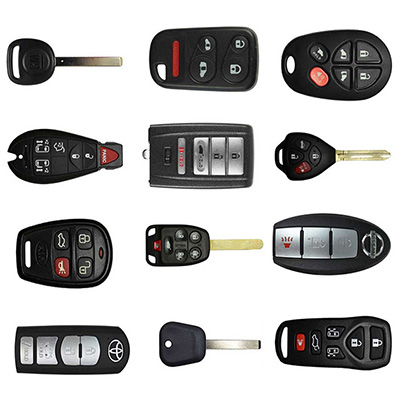
The technician needs to establish whether your vehicle uses a conventional key, transponder key, remote key or smart key.
This is important because different key systems require different replacement components and programming procedures.
Step 3: Confirm Ownership and Authorisation
A reputable car key programming service should verify that the person requesting a replacement is authorised to access the vehicle.
You may be asked for your vehicle registration document, identification or other ownership evidence.
These checks help protect vehicle owners against unauthorised key duplication and replacement.
Step 4: Arrange Key Cutting and Programming
Depending on the vehicle, the replacement key may first need to be physically cut before its electronic components can be configured.
For smart keys, the replacement may not require a conventional blade for engine starting, although some models include an emergency mechanical key.
The technician uses compatible equipment and the appropriate procedure for the vehicle.
Step 5: Test the Replacement Key
Before considering the work complete, the replacement should be tested.
Checks may include:
- Whether the vehicle recognises the key.
- Whether the engine starts.
- Whether remote locking and unlocking work.
- Whether the smart key is detected.
- Whether the emergency key operates the relevant lock.
The exact tests depend on the vehicle’s equipment.
What Types of Car Keys Need Programming?
Not every vehicle key requires electronic programming. Older vehicles may use conventional mechanical keys, while newer vehicles often have additional electronic security features.
Understanding your key type helps determine what kind of car key programming and replacement service you need.
1. Conventional Mechanical Car Keys
1996 Mitsubishi Mirage Regular Car Key 692071
A conventional mechanical car key operates through its physical shape. Its cut pattern matches the vehicle’s lock and ignition mechanism.
These keys generally do not require electronic car key programming because they do not contain an electronic transponder.
If you lose a conventional key, a replacement can usually be cut to match the vehicle’s lock specifications.
However, some older vehicles may have additional security features, so compatibility should still be checked.
2. Transponder Car Keys
Aftermarket 2005 Toyota MR2 Spyder Transponder Ignition Key TOY57-PT – CarandTruckRemotes
Transponder keys contain a small electronic chip that communicates with the vehicle’s immobiliser.
When you insert the key into the ignition, the vehicle checks the chip’s identification. If the security system recognises the transponder, the engine is allowed to start.
If the physical key is correctly cut but its transponder is not recognised, the engine may not start.
This is where car key programming becomes necessary.
A replacement transponder key must have compatible electronic components and be registered using the appropriate vehicle-specific procedure.
3. Remote Car Keys
Replacing a Lost Car Key or Fob | CARFAX
Remote car keys combine a physical key or transponder with buttons that control functions such as locking and unlocking the doors.
Depending on the vehicle, the remote functions and immobiliser transponder may require separate configuration.
A replacement remote key may therefore need both physical cutting and electronic setup.
When arranging car key programming for a remote key, confirm that the replacement supports all the functions available on your original key.
4. Smart Keys and Keyless Entry Systems
Xhorse XSCS00EN Hyundai Type Smart Key Remote Keys Xhorse
Smart keys are commonly used in vehicles with push-button engine starting and keyless entry.
Instead of inserting a conventional key into the ignition, the driver carries an authorised smart key that communicates wirelessly with the vehicle.
When the system detects the authorised key within the required range, it allows the driver to unlock and start the vehicle.
Smart key programming is generally more specialised than conventional key replacement.
The replacement must be compatible with the vehicle’s proximity system and security configuration.
If you lose your only smart key, ask whether the replacement service supports your exact vehicle model and whether any additional security procedures are required.
Can a Car Key Be Programmed Without the Original Key?
Yes, some vehicles support replacement key programming even when all original keys have been lost.
However, this depends on the manufacturer’s security system and the programming method available for that vehicle.
In an all-keys-lost situation, a technician may need to use an approved diagnostic or manufacturer-specific procedure to establish authorised access to the vehicle’s key registration system.
This is different from adding a spare key when an existing working key is available.
Adding a Spare Key vs Replacing a Lost Only Key
| Situation | What may be required |
|---|---|
| You have one working key | Register an additional compatible key |
| You have two working keys | Add another spare, if supported |
| You have lost one of two keys | Replace the missing key and assess the remaining key |
| You have lost every key | An all-keys-lost replacement procedure |
| Your smart key is damaged | Diagnose the key and vehicle system before replacement |
Car key programming can be more complicated when every original key is missing because the technician cannot rely on an existing working key for the normal spare-key procedure.
Some vehicles also have security restrictions that require specialist equipment, additional verification or manufacturer-authorised support.
Before booking, explain clearly whether you have a working key or have lost all available keys.
What Information Should You Bring for Car Key Replacement in Nairobi?
Preparing the correct information can make the car key programming process easier.
If you have lost your only key, you should be ready to provide the following:
1. Vehicle make and model
State whether your vehicle is a Toyota, Nissan, Mazda, Subaru, Mitsubishi, Ford or another manufacturer.
2. Model year
The year helps identify the correct electronic key system. Different generations of the same vehicle may use different transponder and smart-key technologies.
3. Vehicle registration details
Have your registration information available to help identify the vehicle and establish ownership.
4. Proof of ownership
You may need your identification and vehicle registration documentation to demonstrate that you are authorised to request the replacement.
5. Information about the original key
If you remember whether the original was a transponder key, remote key or smart key, share that information.
A photograph of an identical key, if available, may also help with initial identification.
6. Your vehicle’s location
If the vehicle cannot be started because all keys are missing, explain where it is parked and whether it can be accessed safely.
This helps the service provider determine whether the vehicle needs to be brought to a workshop or whether an available service arrangement is suitable.
How Long Does Car Key Programming Take?
The time required for car key programming depends on the vehicle’s security system, key type and whether an existing working key is available.
A straightforward spare-key procedure may take less time than replacing a smart key when every original key has been lost.
The following factors can affect turnaround time:
- Vehicle make, model and year.
- Whether the key is mechanical, transponder or smart.
- Availability of a compatible replacement key.
- Whether the original key is available.
- Whether specialist diagnostic equipment is required.
- Whether the vehicle requires additional security verification.
- Whether the vehicle has an existing immobiliser fault.
It is best to confirm the expected turnaround with the technician after they have identified your vehicle.
Avoid relying on a general time estimate before confirming that the replacement key and programming equipment are available.
Why Does a New Car Key Sometimes Fail to Start the Vehicle?
A replacement key may look correct but still fail to start the engine.
There are several possible explanations.
1. Incorrect Transponder Chip
The replacement key may contain a chip that is not compatible with the vehicle’s immobiliser.
Even if the physical key has been cut correctly, the vehicle may not recognise its electronic identification.
2. Incomplete Key Programming
The key may not have been successfully registered with the vehicle.
In this situation, the technician may need to repeat the appropriate programming procedure after checking the key and vehicle system.
3. Incorrect Remote Configuration
Some remote keys have separate functions for door locking and engine authorisation.
The remote buttons may work while the immobiliser does not recognise the transponder, or vice versa.
4. Smart Key Battery Problems
A weak smart key battery can affect communication between the key and vehicle.
Some vehicles provide an emergency procedure for starting the engine when the smart key battery is weak. Consult the vehicle owner’s manual for the correct method.
5. Vehicle Immobiliser Problems
The problem may not be the replacement key itself.
A faulty immobiliser component, antenna, wiring connection or vehicle control module may prevent the car from recognising an otherwise compatible key.
Proper diagnosis is important before purchasing another replacement.
Is Car Key Programming the Same as Key Cutting?
No. Key cutting and car key programming are two different processes, although some replacements require both.
Key cutting involves creating the physical shape of a key so that it operates the relevant lock or ignition mechanism.
Car key programming involves configuring the electronic components so that the vehicle recognises the key.
Consider the following example:
You lose the only key to a vehicle fitted with a transponder immobiliser. A replacement key is cut to match the ignition, but the engine still refuses to start.
The physical key may be correct, but its electronic transponder still needs to be registered with the vehicle.
This is why car key programming is important when replacing modern vehicle keys.
If you only need a physical duplicate for an older mechanical key, electronic programming may not be necessary.
For vehicles with remote entry or smart-key systems, the replacement requirements should be confirmed before work begins.
How Can You Avoid Losing Your Only Car Key Again?
Replacing a lost car key can be inconvenient, particularly when you depend on your vehicle every day. Once you have a working replacement, consider taking a few precautions.
1. Make a Spare Key Early
Do not wait until you lose your last working key before arranging a duplicate.
Having a spare can make future replacement easier, depending on your vehicle’s security system.
2. Keep Your Spare Key Somewhere Safe
Store your spare key in a secure location at home rather than leaving it inside the vehicle.
Avoid keeping both keys together because losing them at the same time defeats the purpose of having a spare.
3. Use a Key Holder or Tracker
A dedicated key holder or compatible Bluetooth tracker can help you locate misplaced keys.
4. Check Your Smart Key Battery
If your vehicle uses a smart key, follow the manufacturer’s battery replacement recommendations.
A weak battery can cause intermittent detection problems that may initially appear to be a programming fault.
5. Keep Your Key Replacement Information
Keep a record of your vehicle’s make, model, year and replacement key details. This information can help when arranging future car key programming.
Frequently Asked Questions About Car Key Programming
1. Can I get a replacement car key if I have lost the only original?
Yes, many vehicles support replacement key creation even when every original key is missing. The procedure depends on the vehicle’s security system, make, model and year.
2. Does a replacement car key need programming?
Not always. Conventional mechanical keys generally do not require electronic programming. Transponder keys, remote keys and smart keys may require car key programming before all their functions work.
3. Can a locksmith program a car key without the original?
Some automotive locksmiths have specialist equipment and authorised procedures for replacing lost keys. However, not every vehicle is supported. Confirm compatibility before arranging the service.
4. How much does car key programming cost in Nairobi?
The cost depends on the vehicle, key type, replacement components and programming requirements. Smart keys and all-keys-lost situations may involve additional work. Request a quotation after confirming your vehicle details.
5. How long does smart key programming take?
The turnaround depends on the vehicle’s security system, availability of the correct smart key and the programming procedure. Confirm the expected time with the service provider.
6. Can I program a spare car key myself?
Some older vehicles support manufacturer-defined key registration procedures, but many modern vehicles require specialist equipment and security verification. Consult your owner’s manual and use an appropriate authorised service.
7. Will my old car key still work after programming a replacement?
This depends on the vehicle and the procedure used. Some systems allow multiple keys to remain registered, while certain all-keys-lost procedures may require existing keys to be re-registered or may remove missing keys from the authorised list.
Ask the technician how the procedure affects your existing keys.
8. What is the difference between a transponder key and a smart key?
A transponder key contains an electronic chip that communicates with the vehicle’s immobiliser. A smart key uses proximity-based communication to support keyless entry and, on compatible vehicles, push-button starting.
9. Can a car key be programmed if the vehicle battery is flat?
The vehicle generally needs an appropriate power supply for electronic programming. A technician should assess the battery condition and follow the correct procedure before attempting car key programming.
10. Can I get a spare car key in Nairobi?
Yes, you can enquire with automotive key replacement providers in Nairobi. Provide your vehicle make, model and year to establish whether a compatible spare key and programming service are available.
Need Car Key Programming or Replacement in Nairobi?
Losing your only car key does not necessarily mean replacing the entire locking system or abandoning your vehicle.
The first step is identifying the key technology fitted to your vehicle. Whether you use a conventional transponder key, remote key or smart key, the correct replacement depends on vehicle compatibility and the appropriate programming procedure.
MPPS Accessories provides a car security and accessories enquiry point for motorists looking for key-related solutions in Nairobi.
If you need car key programming, spare car key replacement or assistance after losing your only key, contact MPPS Accessories to confirm:
- Whether your vehicle make and model is supported.
- Whether an all-keys-lost replacement is available.
- Which replacement key type is required.
- The expected turnaround time.
- The applicable service cost.
Visit MPPS Accessories at its Mombasa Road or Lavington branch in Nairobi.
Explore the service: Car Key Programming at MPPS Accessories